Metal roof maintenance requires much less effort than you might think. Indeed, unlike asphalt shingles, metal doesn’t crack, rot or lose its granules. However, “less maintenance” doesn’t mean “no maintenance.” Neglecting a few simple checks can therefore lead to costly problems in the long run.
In this article, we offer a clear seasonal schedule for your inspections. We also detail the elements to watch and the situations where a professional needs to step in.
The spring inspection: repairing winter damage
Spring is the ideal time to assess the condition of your roof after winter. Indeed, frost, snow and freeze-thaw cycles put your roof to the test. Spring metal roof maintenance therefore allows you to detect damage before it gets worse.
Here’s what to check as soon as the snow has melted:
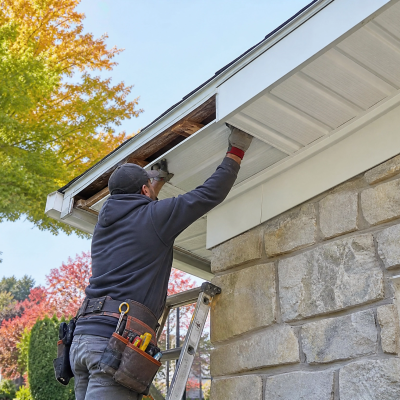
- Gutters and downspouts: remove leaves, branches and debris that accumulated over the winter. A blocked gutter causes water to back up, which damages fascia and soffits.
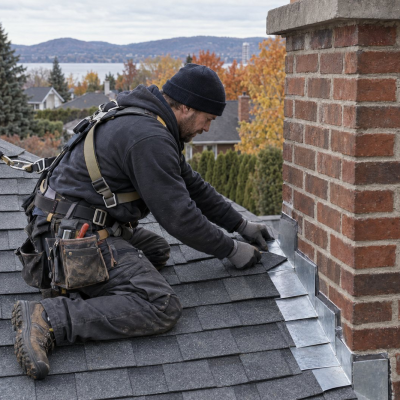
- Flashing: inspect the flashing around chimneys, vents and adjacent walls. Frost can warp it or cause it to come loose. As a result, damaged flashing quickly leads to water infiltration.
- Fasteners and screws: visually check whether any screws seem loose or missing. Winter’s thermal contraction can loosen some fasteners.
- Snow guards: confirm that they are still securely anchored. In fact, a roof avalanche can tear them off during the coldest months.
- Panel surface: look for dents, scratches or hail marks. Also, note any rust buildup or unusual discolouration.
In short, by carrying out these checks every spring, you protect your warranty. You also prevent minor problems from becoming major ones.
The fall inspection: getting ready for winter
Fall is your last chance to take action before the first frosts. In other words, this inspection prepares your roof to face several months of extreme conditions. Above all, don’t put it off.
First, start by cleaning the gutters a second time. Dead leaves pile up quickly in September and October. In addition, a gutter that’s blocked in winter encourages ice dams to form. These dams then force water under the panels and cause leaks.
Next, inspect the general condition of the metal surface. Look for signs of corrosion, especially where water naturally pools. Also, check that the seals remain flexible and intact. Indeed, the cold hardens them and can crack them during the winter.
Also, take advantage of this inspection to check your attic ventilation. Insufficient ventilation creates condensation in winter. This moisture then damages the wood frame and encourages mould. So make sure the soffits and ridge vents aren’t blocked by debris.
Flashing: the weak point to watch closely
Flashing deserves special attention during every inspection. These metal pieces seal the joints between the roof and vertical elements. They’re found around chimneys, walls, skylights and vents, among other places.
In fact, most leaks on a metal roof come from the flashing, not from the panels themselves. In addition, the caulking that seals them can deteriorate over time. Temperature variations also cause it to expand and contract constantly. As a result, flashing that looked perfect in the spring may show signs of wear by the fall.
During your inspection, look for the following signs: cracked or loose caulking, rusted metal at the joints, water stains on interior ceilings or a damp smell in the attic. If you spot any of these signs, contact your roofer quickly. A metal roofing specialist will be able to replace or reseal the flashing before water causes serious damage.

Gutters: essential to the roof’s longevity
Gutters play a crucial role in metal roof maintenance. Indeed, they direct water away from the structure and protect your home’s foundation. However, a poorly maintained gutter system compromises your entire roof.
Clean your gutters at least twice a year. More specifically, spring and fall remain the most important times. If trees overhang your roof, also add an extra cleaning in the summer.
While cleaning, also check that the gutters show no signs of corrosion or cracks. Then make sure they’re still securely attached and that the slope allows water to flow smoothly to the downspouts. A sagging gutter creates a point where water accumulates. This excess water can then work its way up under the metal panels through capillary action.
In fact, Metal Roof Canada offers steel gutter systems with a 50-year warranty. In addition, these gutters resist corrosion better than standard aluminum. They also match the roof panels perfectly for a uniform finish.
Insulation and ventilation: two invisible allies
Metal roof maintenance isn’t limited to the exterior surface. Indeed, attic insulation and ventilation play an equally important role in your roof’s longevity.
Insufficient insulation causes two major problems in particular. On the one hand, in winter, heat escapes through the roof and melts the snow unevenly. This melting then creates ice dams that damage the gutters and cause leaks. On the other hand, in summer, the lack of insulation lets heat into the house. Your air conditioning then works harder and your energy bills go up.
Ventilation, for its part, works hand in hand with insulation. It removes moisture and regulates the temperature in the attic. According to the Association des consommateurs pour la qualité dans la construction, inadequate ventilation is in fact one of the most common reasons for warranty denials. So check regularly that air flows freely between the soffits and the ridge vents.
When to call a professional
Some situations go beyond a visual inspection by the homeowner. Recognizing these moments will save you costly repairs.
Contact a professional roofer in the following cases:
- Loose or missing screws: replacing them requires the right tools and the right torque. Overtightening damages the seals.
- Damaged or loose flashing: replacing it requires precise expertise. Poorly installed flashing causes more damage than it prevents.
- Water stains on the ceiling: they signal an active leak. Only a professional can locate the exact source and fix the problem.
- Unusual noises in high winds: a poorly fastened panel can flap in the wind. Over time, this repeated movement enlarges the fastener holes.
- Visible corrosion: rust spots on panels or fasteners require a professional assessment. The problem may be superficial or structural.
In addition, schedule a complete professional inspection every 3 to 5 years. An experienced roofer can spot problems that are invisible from the ground. This preventive inspection costs much less than a major repair.
Conclusion
Metal roof maintenance comes down to a few simple steps spread throughout the year. Two seasonal inspections, regular gutter cleaning and special attention to flashing are all it takes. Add a check of the insulation and ventilation to protect your roof from the inside.
These habits preserve your warranty and extend the life of your roof. A well-maintained roof protects you for 50 years or more without any unpleasant surprises.
Would you like a maintenance program tailored to your roof? Contact Metal Roof Canada to schedule a professional inspection.