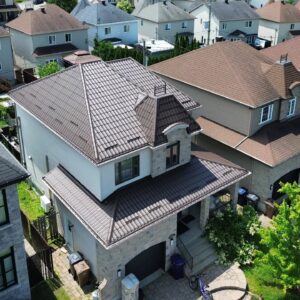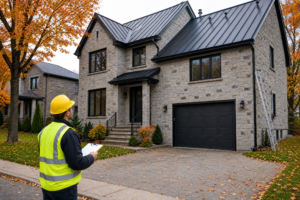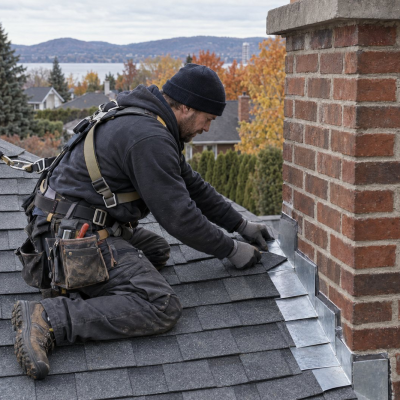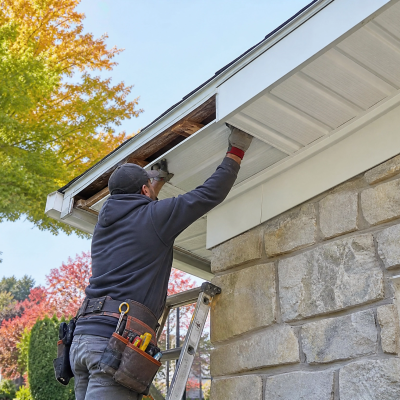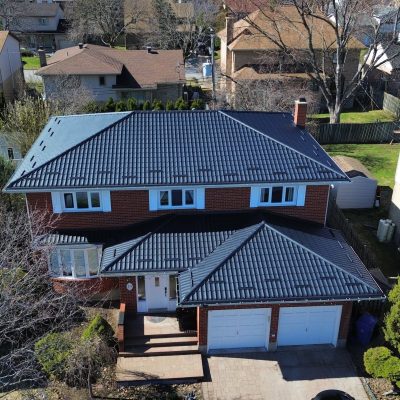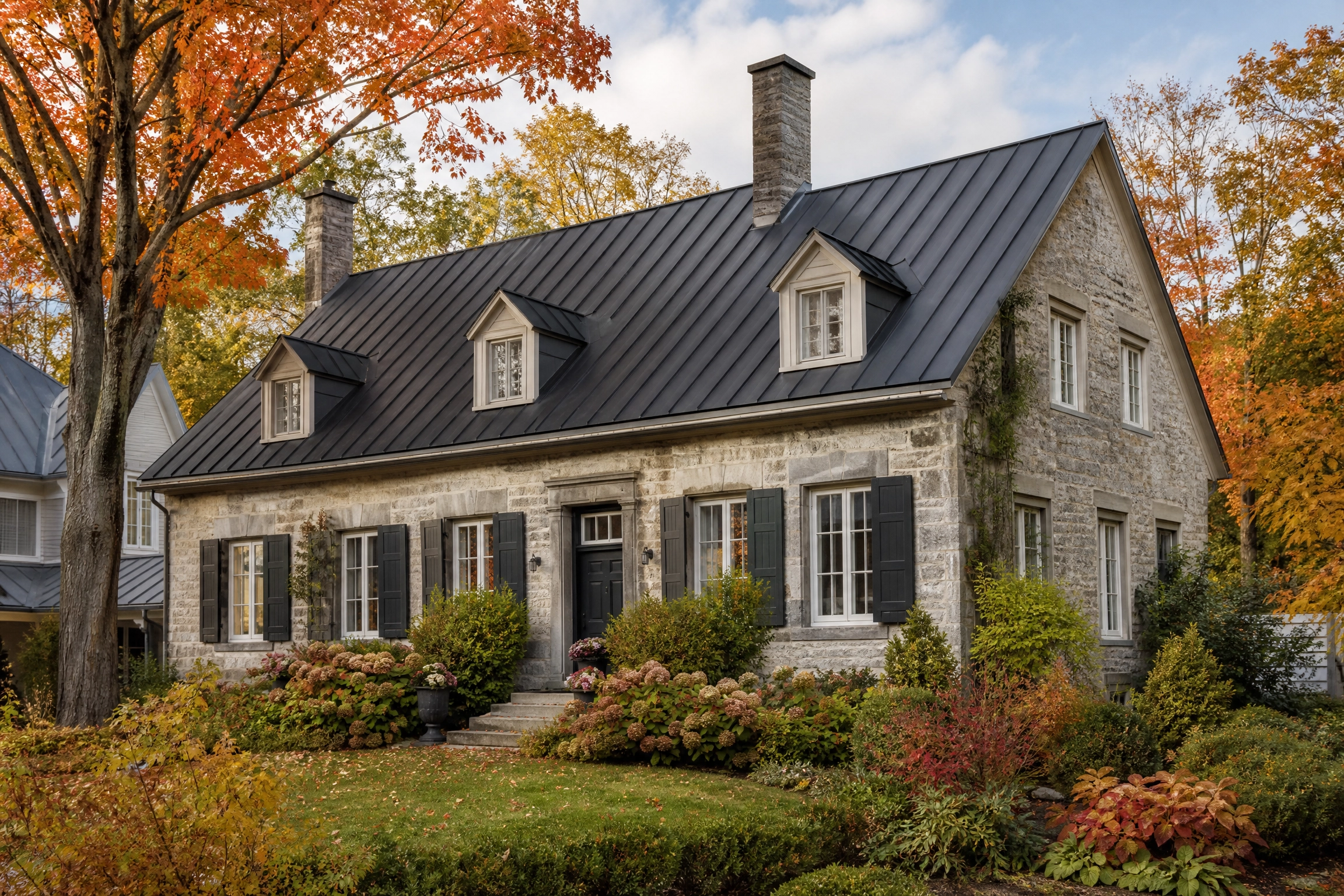
Metal roof lifespan is probably the number one reason so many homeowners make the switch. We’re talking 40, 50, sometimes even more than 100 years depending on the metal. That’s impressive, but these figures deserve an explanation. Indeed, not all metals age the same way, and several factors influence the actual longevity of your roof.
In this article, we detail lifespan by type of metal and explain what makes one roof last 40 years rather than 70. You’ll also learn what to watch for to get the most out of your investment.
Lifespan by type of metal
Not all metal roofs are equal. In fact, the choice of metal largely determines how long your roof will protect you.
- Galvanized steel: between 30 and 50 years. It’s the most common option. The zinc coating protects the steel against corrosion. However, a deep scratch can create a rust spot.
- Galvalume steel (aluminum-zinc): between 40 and 60 years. This coating offers better corrosion resistance than zinc alone.
- Premium pre-painted steel (SSAB GreenCoat): about 50 years or more. It’s the type of steel used by Metal Roof Canada. Its non-prorated warranty speaks volumes about its durability.
- Aluminum: between 50 and 75 years. It doesn’t rust at all, which makes it an ideal choice for salty environments.
- Zinc: between 80 and 100 years. Its natural patina protects it against corrosion over time. It’s therefore a material that improves with age.
- Copper: more than 100 years. Copper roofs installed over a century ago are still functional in Europe.
These figures apply to professional installations with minimal maintenance. In reality, however, the quality of the installation influences longevity as much as the material itself.
Comparison with other roofing materials
Metal roof lifespan takes on its full meaning when you compare it with the alternatives. In Quebec, asphalt shingles still dominate the residential market. Yet the difference in longevity is striking.
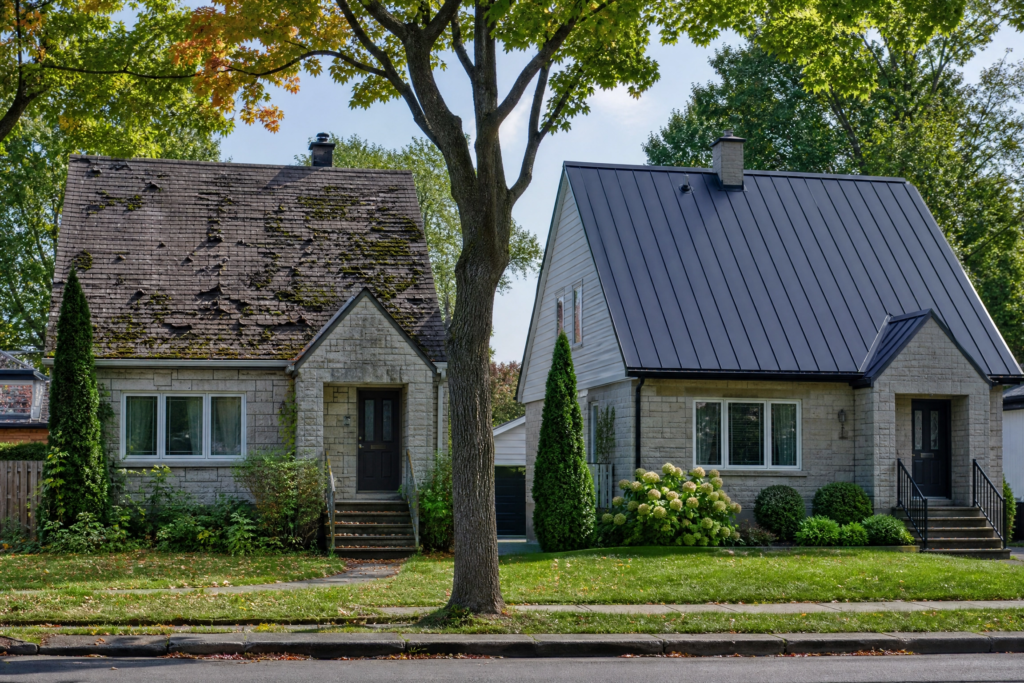
A standard asphalt shingle lasts between 15 and 20 years in our climate. Thicker architectural models can reach 25 to 30 years under the best conditions. That still falls well short of what metal offers.
In concrete terms, while a metal roof ages quietly, a homeowner with shingles will have to replace their roof two or three times. Each replacement costs money and time, and generates tonnes of waste. Metal, on the other hand, completely eliminates this cycle.
Elastomeric membranes for flat roofs, for their part, last between 20 and 30 years. Natural slate can rival metal in terms of durability, but its weight and price make it inaccessible for most homes. In short, metal offers the best balance of longevity and price for sloped roofs in Quebec.
What makes a metal roof last longer
Metal roof lifespan doesn’t depend on the material alone. Several factors determine whether your roof will reach 40 or 70 years. Some are within your control; others aren’t.
The quality of the installation tops the list. An experienced roofer knows how to manage the metal’s thermal expansion, install flashing correctly and ensure adequate ventilation. Conversely, a sloppy installation leads to leaks and premature corrosion. That’s why choosing a standing seam roofing specialist makes all the difference.
Attic ventilation also plays a major role. Without sufficient airflow, condensation builds up under the panels. This moisture attacks the metal from the inside and speeds up corrosion. However, this problem is easy to prevent with properly sized soffits and vents.
Insulation also contributes to longevity. Good insulation reduces temperature differences between the inside and outside of the roof. As a result, the metal undergoes less thermal stress. Contraction and expansion cycles decrease, which preserves the fasteners and seams.
Climate comes into play as well. In Quebec, freeze-thaw cycles, hail and snow buildup put intense strain on your roof. Nevertheless, a properly installed metal roof stands up remarkably well to these conditions.
The enemies of longevity
Some factors shorten the life of a metal roof if they’re ignored. By knowing them, you can therefore act before they cause irreversible damage.
Corrosion is the main threat. It occurs when the protective coating is damaged by an impact, a scratch or contact with an incompatible metal. For example, attaching a copper accessory to a steel panel creates a galvanic reaction that speeds up rust. So always use fasteners made of the same metal as your panels.
Accumulated debris is also a problem. Leaves, branches or moss hold moisture against the metal surface. Over time, this constant moisture attacks the protective coating. Regular cleaning of buildup areas prevents this risk.
Clogged gutters, for their part, cause water to back up. Standing water then works its way up under the panels through capillary action and corrodes the metal from the inside. Two cleanings a year are enough to avoid this scenario.
Finally, non-professional modifications considerably reduce lifespan. Drilling into a panel to install an antenna or a bracket without following the manufacturer’s specifications creates an entry point for water. Always consult your roofer before modifying anything.
Minimal maintenance for decades of protection
One of the great advantages of a metal roof is that it requires very little attention. Unlike shingles, which lose their granules, crack and need frequent repairs, metal ages peacefully.
Two visual inspections a year are enough. In spring, check the condition of the flashing, fasteners and gutters after the winter. In fall, clear away dead leaves and confirm that the ventilation isn’t blocked. These simple steps protect your warranty and extend the life of your roof.
In addition, schedule a professional inspection every 3 to 5 years. An experienced roofer can spot signs of wear that are invisible from the ground. They can reseal flashing, tighten a fastener or treat early corrosion before the problem gets worse.
By following this minimal schedule, you maximize metal roof lifespan without any particular effort. In fact, it’s one of the arguments that most convinces homeowners to switch to metal. According to the Insurance Bureau of Canada, a well-maintained roof also reduces the risk of claims and may earn you better insurance rates.
When does a metal roof still need to be replaced?
Even with flawless maintenance, a metal roof eventually shows signs of aging. Here are the clues that suggest the end is approaching.
Widespread corrosion on several panels indicates that the protective coating is worn out. At this stage, spot repairs will no longer be enough. Recurring leaks despite resealing the flashing also signal a systemic problem rather than an isolated defect.
If fasteners loosen regularly despite being retightened, it means the holes have widened over time. The structure no longer holds the screws properly. Similarly, significant and uneven discolouration across the entire surface confirms that the protective paint has reached its limit.
However, these signs only appear after several decades. Most homeowners will never experience replacing their metal roof. That’s precisely what makes this investment so attractive.
Conclusion
Metal roof lifespan far exceeds that of all other common materials. With minimal maintenance, your roof will protect you for 50 years or more. The choice of metal, the quality of the installation and attic ventilation make the difference between a roof that lasts a long time and one that lasts a very long time.
It’s an investment you make only once. Your shingles, on the other hand, will have to be redone two or three times over the same period.
Want a roof that stands the test of time? Contact Metal Roof Canada for a free quote and invest in peace of mind.